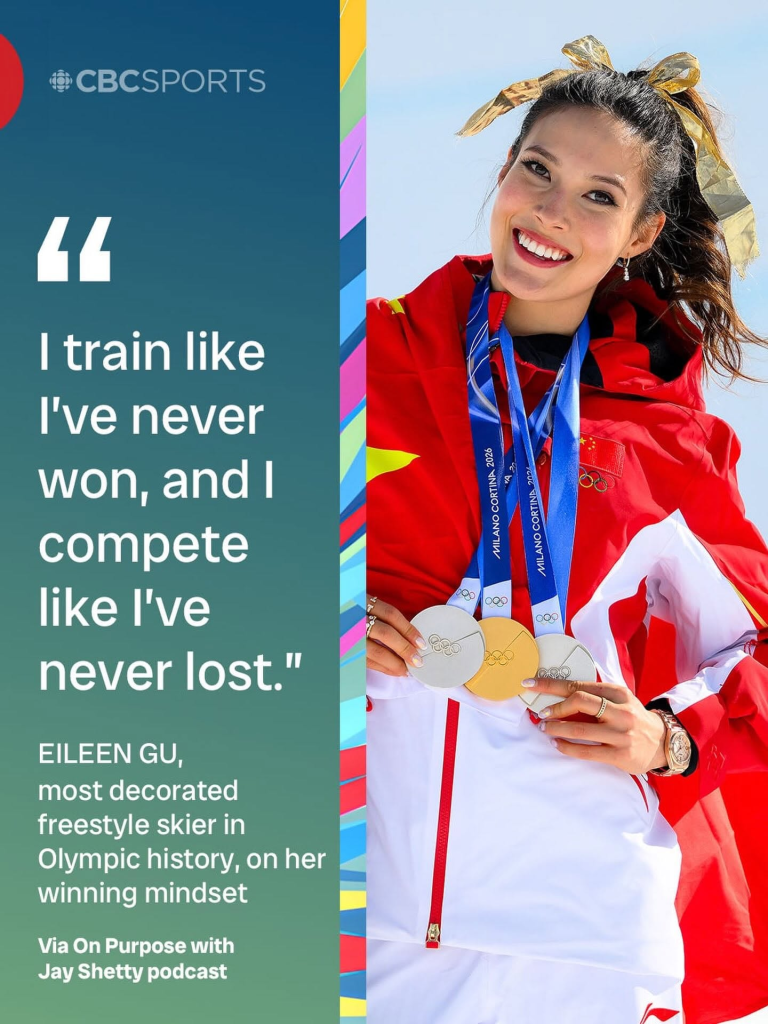
Eileen Gu – training & winning
tumbling, tramp, diving, acrobatics, circus, cheer, dance, martial arts, X sports … and more
Félix is in great shape right now. BUT fell twice on Pommels to score 9.500 in the all-around final at the Commonwealth Games.
Disaster.
He ranked 17 / 18 after two events.
But this guy has character. He fought through the final 4 apparatus to finish silver in the AA. One of the great comebacks anyone can recall.
Never. Never give up.
Click PLAY or watch it on YouTube.
Here’s how Félix felt after the competition.
Click PLAY or watch it on YouTube.
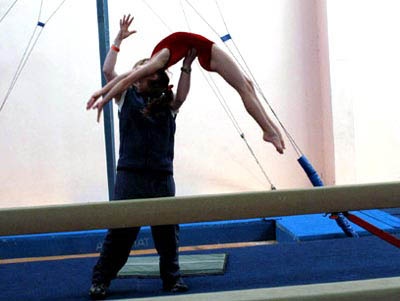
First ➙ are there alternatives to hand spotting? (eg. Throw mat)
Gymnasts will be more confident in their own ability when learning skills with a minimum of spotting.
Next …
Are you spotting for orientation? Or to help the gymnast complete the skill?
If you must hand spot, here’s a checklist from an older Canadian National Coaching Certification Course:
Nobody knows better than gymnasts how to fall safely. And get back up.
It’s not the falls that stop girls from training sport.
Click PLAY or watch it on YouTube.
I admire gymnasts who have the physical preparation and mental quickness to SAVE a handstand that ends up in reverse planche position.
Click PLAY or watch it on Twitter.
Click PLAY or watch it on YouTube.
This is from the private Cognition Coaching – Conscious Growth Facebook page.
The benefits of training acrobatic sports are incredible. These are super humans.

The last time I saw a scale in a Gym was 2003. I asked that it be removed.
Unless there is some specific reason — scientific research in training, for example — there’s no need for weigh-ins at training. And there are some risks, as we’ve seen in the past.
I prefer gymnasts weigh in at home in private. Or under instructions from medical staff.
Click PLAY or watch it on YouTube. This is the new policy of British Gymnastics.
Gymnastics Ireland interviewed some young ladies.
Everyone has ups and downs. The coach needs to step in when one of their gymnasts is in a down phase.
Click PLAY or watch it on YouTube. Video by Georgianna Scurfield (Women in Sport UK).
Teenage dropout amongst girls is a widespread issue in sport and in gymnastics, which if tackled, can support lifelong involvement in sport and physical activity to improve the lives of women & girls.
As a predominantly youth sport, Gymnastics presents a unique and powerful opportunity to help girls develop a strong love of sport and physical activity from a young age to nurture continued participation through adolescence and beyond to support their health, happiness and wellbeing into later life.
Through our research and beyond, we asked girls and women involved in our sport “What keeps you here?” – because what keeps you here matters to us.
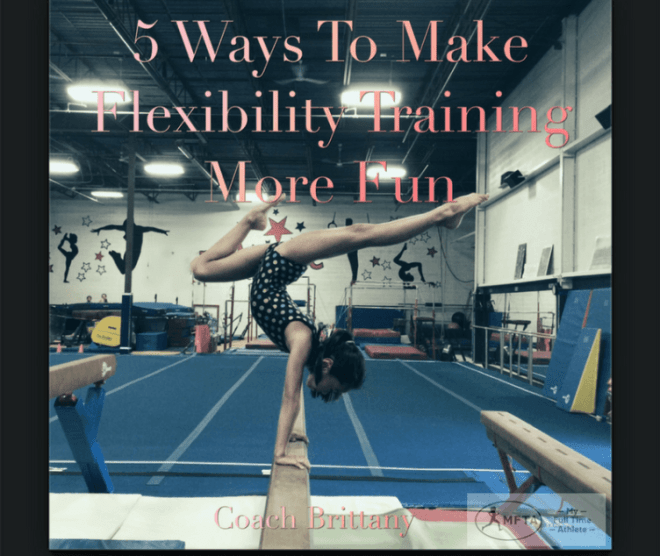
Coach Brittany has some tips.