Disappointed in both European Championships and Worlds.
Click PLAY or watch it on YouTube.
tumbling, tramp, diving, acrobatics, circus, cheer, dance, martial arts, X sports … and more
International Gymnast magazine:
Reigning World all-around champion Angelina Melnikova, Tokyo Olympic team champion Victoriia Listunova, and 2026 European all-around silver medalist Anna Kalmykova are to miss the 2026 World Championships in Rotterdam, October 17-25, after being denied visas, the Russian Gymnastics Federation announced today. ….
Breaking News: Russia’s Melnikova, Listunova and Kalmykova denied visas for World Championships
As I post, Daniel Marinov, Arsenii Dukhno, Sergei Naidin, Ilya Zaika and Saveli Syedin are approved for the Men.
Only 3 were able to make it to Rotterdam in time for Podium Training.
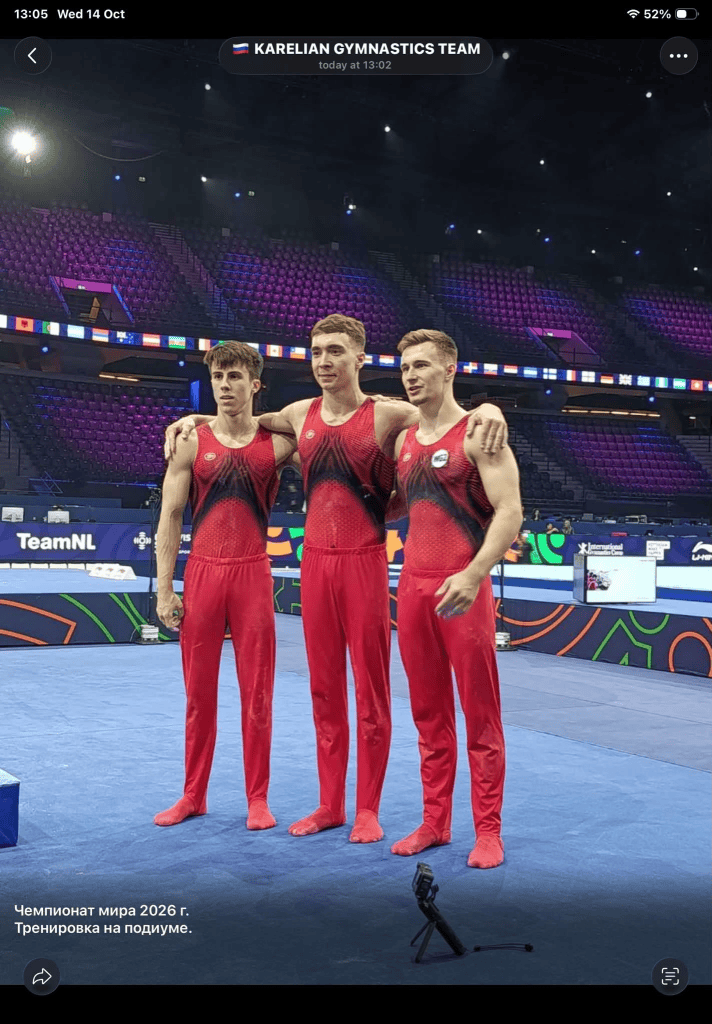
Alena Glotova, Lyudmila Roshchina, Milana Kayumova and Elizaveta Us have been approved for the women.
Hopefully there will be more last minute approvals.
Personally, I would have voted to continue the ban on Putin’s dictatorship until he ends the war. Recall they were already sanctioned for systematic doping even before Putin invaded Ukraine.
BUT — since World Gymnastics approved them, they should be at World Championships.
World Gymnastics should not host any event in Netherlands nor Indonesia (denying Israeli athletes in 2025) for many years to come.
I fear for Olympics 2028. What nations will Trump ban after a bad golf game?
NOW … if you want to discuss banning nations other than Russia, I’d like to participate. Personally I would ask how many children were killed by a nation’s armed forces when deciding on those bans.
Statement from the Local Organising Committee of the 2026 World Artistic Gymnastics Championships in Rotterdam
The Local Organising Committee (LOC) of the 2026 World Artistic Gymnastics Championships in Rotterdam has taken note of the announcement by the Russian Gymnastics Federation that three visa applications from members of the Russian delegation have been refused.
The assessment of visa applications and the decisions on whether to grant or refuse them are the sole responsibility of the relevant Dutch authorities. The LOC has no role in this decision-making process and is not involved in the assessment of individual visa applications.
As LOC, we have made every effort within our capacity to support and facilitate the participation of athletes and delegations. We respect the decisions made by the Dutch authorities.
Our position remains unchanged: all athletes eligible to compete under World Gymnastics regulations are welcome in Rotterdam, in accordance with applicable Dutch and European laws and regulations.
| World Gymnastics media statement regarding the refusal of visas to three Russian athletes set to participate at the 2026 Artistic Gymnastics World Championships in Rotterdam. |
| Lausanne (SUI), 14 October 2026 – The issuance of visas to all participants is a process determined solely by the Dutch authorities. World Gymnastics is not in a position to explain why a select number of application requests have been refused. World Gymnastics remains in ongoing dialogue with the Dutch authorities, the Local Organising Committee, and the Russian Gymnastics Federation. World Gymnastics fully regrets the negative impact on the preparations of the Russian delegation and the confusion felt among the wider Artistic Gymnastics World Championships community. |
Past coaches of McKayla Maroney and many other elites face consequences after a long, long history of SafeSport complaints.
Date rape and worse are astonishingly common at College.
Obviously, it’s being kept quiet by administrators trying to protect the reputation on institutions.
Worse, some ReTrumplican pundits — already protecting their convicted rapist, admitted pussy-grabber, president from the Epstein files — are actually defending the Cornell 7.
Hengameh Hadiani became the first Iranian female gymnast to compete in the 2026 Asian Games since at least 1979. Congratulations to the nation at war with Trump for getting her to the Games.
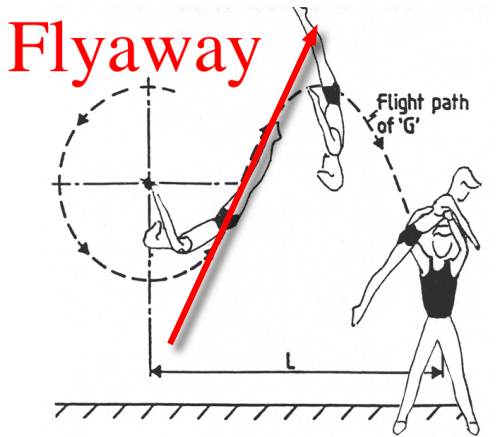
BEFORE we let kids flip, it’s essential that they understand well how to move the centre of gravity AWAY from the Bar at the point of release.
Some call it “pitching out” the centre of gravity.
Flyaway not Flyclose.
Click PLAY or watch it on YouTube.
Dave Tilley presented to both WAG NCAA College coaches and judges before the 2022 season.
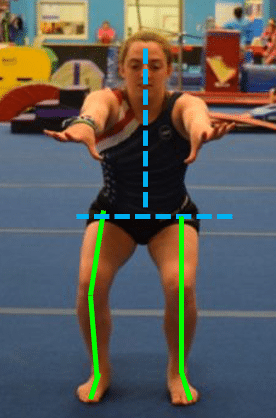
The goal is for judges to evaluate landings consistently — and promote the safest possible landings.
The biggest reason is due to the massive number of serious knee and ankle injuries that gymnasts deal with, particularly in the NCAA. When you look at research studies, leg injuries account for up to 54.1% – 70.2% of all injuries.
Based on a study looking at injuries in NCAA Women’s gymnastics from 2009-2014, leg injuries accounted for 50% of all injuries with the knee and ankle being the most common (19). In some studies, up to 52% of all gymnastics injuries occur during landings, with some researchers calling it the ‘riskiest exercise phase in gymnastics.” …
THE NEED TO CHANGE LANDING DEDUCTIONS IN NCAA GYMNASTICS FOR LESS KNEE AND ANKLE INJURIES
Click through for a deep dive into this very important topic.

Watch William Emard STICKING.
Good aerial awareness. Stong legs. Good technique. Fewer injuries on landings.
Click PLAY or watch it on Instagram.
Though GAGE is a club that did many things right, the founder and head coaches are listed with the U.S. Center for SafeSport as “suspended from all contact” on its disciplinary database.
Fong and Barutyan-Fong were temporarily suspended in December 2025.
Tony Retrosi has worked with Manila for 10 years as a guest coach.
He knows the Gymnastics superstar very well.
Tony wants people to know just how hard she’s worked:
The True Measure of a Gymnast: More Than Looks
She was the gymnast who impressed me most.
At Men’s Europeans, it was AA champ Illia Kovtun who impressed me most.
With both these superstars, I can’t understand how and why they are so good. So consistent in competition.
Manila is very difficult for a judge to deduct. Her movements so fluid. On Beam she shares that kind of quality with Sanne Wevers & others of the Dutch system.

