There are a number of ways to roll the feet around rather than have feet suspended.
You need a hard floor surface, of course.
Click PLAY or watch it on Facebook.
tumbling, tramp, diving, acrobatics, circus, cheer, dance, martial arts, X sports … and more
There are a number of ways to roll the feet around rather than have feet suspended.
You need a hard floor surface, of course.
Click PLAY or watch it on Facebook.
With the Olympics postponed a year, Konnor is now age eligible.
Her main goal remains Olympics 2024.
Click PLAY or watch it on Twitter.
https://twitter.com/olympicchannel/status/1279812163557867520
 One anecdote from the great Willy Weiler who was with the Canadian Military:
In the spring of 1963, after arriving as champion of the Pan Am Games in Sao Paulo, I was transferred to Chilliwack, BC.
The base had no equipment for me to train on for the upcoming 1964 Olympics in Tokyo. I traveled 3 times a week to UBC to train …
So that I could do more practicing at the base, I purchased a horizontal bar and built the uprights for it. My previous experience in Rastatt, Germany of digging a 4 foot trench outside the gym and padding it with sawdust came in handy. …
That comes from a document celebrating the 50th Anniversary of Gymnastics B.C.
History buffs can download a copy for themselves:
Click PLAY or watch it on Instagram.
Like this on Facebook.
Though it looks hopeless, the team at SPU have not given up.
College Gym News brings us up to date:
Heart this on Instagram.
Despite a President who refuses to wear a mask, an increasing percentage of Americans have come to the realization that there is unlikely to be a return to normal without flattening the curve.
As of July 2, 2020 confirmed COVID-19 cases are increasing in about 40 / 50 States.
If we want College Gymnastics in 2021 we should do everything we can to reduce the spread of the virus. #MaskUp and physically distance from strangers.
Betsy McNally Laouar (betsymcnally.com) hosts Tumbling Along With Betsy, a nutrition podcast that usually touches on Gymnastics.
Earlier in 2020 she interviewed DeAvera Todd, one of my favourite clinicians.
Subscribe to Coach Dee’s YouTube channel.
Listen to the interview here.
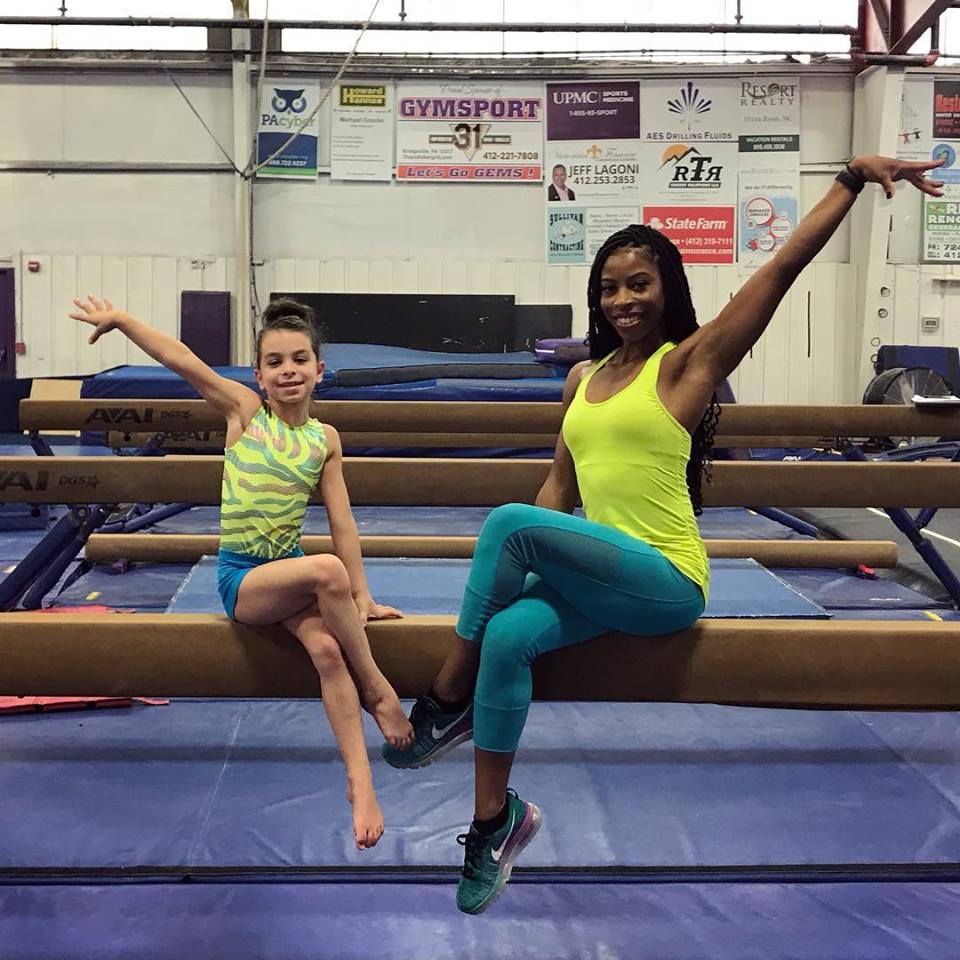
Betsy is a personal fitness trainer, nutritionist, professional body builder, gymnastics coach and best selling author of two books, Binges and Balance Beams and Gymnachef.
She works exclusively with gymnasts, coaches, and families within the gymnastics community to teach about balance in nutrition and fitness through her world renown traveling Betsy Bootcamps.
 Bad news.
The last Canadian University with an elite competitive program is no more.
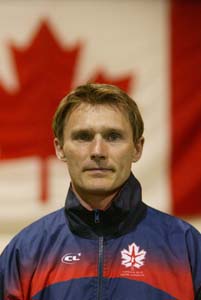
Head Coach Tony Smith:
On June 30, 2020 the University of Calgary ended its relationship with the Competitive Gymnastics program.
With severe budget cuts from the Provincial government and the subsequent Covid 19 crisis, it became impossible to financially continue operating the program.
The U of C have developed competitive gymnasts since 1967, and produced CWUAA, CIAU, Canadian, Pan Am, FISU Games, Pacific Rim, Commonwealth, and World medalists. In 2008, half of the men’s Olympic team came from the U of C.
Many of the parents and coaches of the existing program are looking into a new facility, and hope to continue the tradition with a new club. It will never be the University of Calgary, but what we all learned from our time there can certainly be taught to future generations.
(I’ll stick around to help this one get started)
I feel like the luckiest Dino of all time, I spent 37 years at the U of C gym, and was privileged to train with, work with, and coach some incredible people.
There were so many individuals that influenced, inspired, and supported me to live my dream, and if you’re reading this, you’re probably one of them.
Die for the Dino,
Tony Smith
U of C coach
1989-2020

