#official
The 2005 world all-around champion, mother of two, age-32, says she wants to compete.
Click PLAY or watch it on Twitter.
related – THIS CHELLSIE MEMMEL COMEBACK IS LOOKING MORE AND MORE REAL
tumbling, tramp, diving, acrobatics, circus, cheer, dance, martial arts, X sports … and more
#official
The 2005 world all-around champion, mother of two, age-32, says she wants to compete.
Click PLAY or watch it on Twitter.
related – THIS CHELLSIE MEMMEL COMEBACK IS LOOKING MORE AND MORE REAL
Repost from 2016.
This looks like fun.
Click PLAY or watch it on Facebook.
(via Tumbl Trak’s Michelle Kocan)
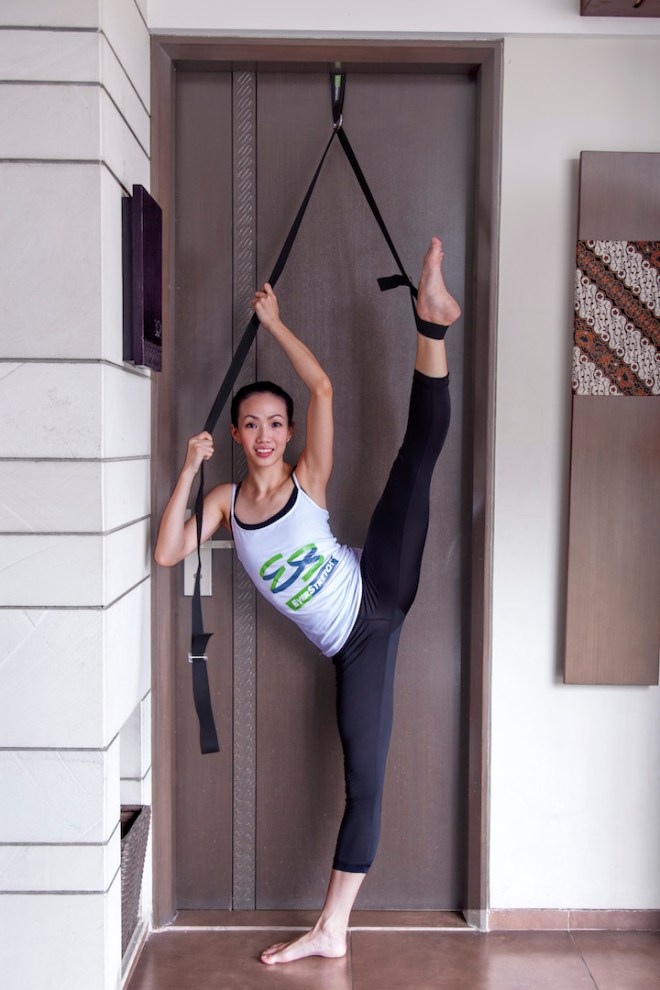
… a portable stretching strap designed to use any sturdy doorpost to improve your leg flexibility, balance, range of motion and gain strength and control over your movements in a natural position.
You know people who don’t go anywhere without their water bottle. They’ve become habituated.
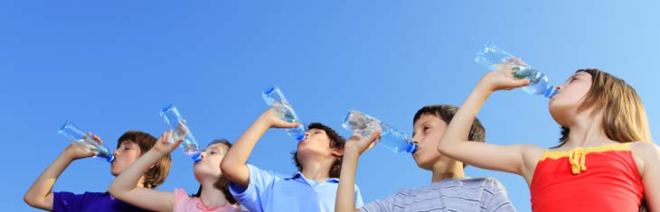
It’s a fad. You should drink when thirsty. Benefits of hydration have been grossly exaggerated. That’s my opinion.
Leave a comment if you feel differently.
Hyperhydration, rather than dehydration, may pose a greater health risk to athletes, according to two articles in a British medical journal. …
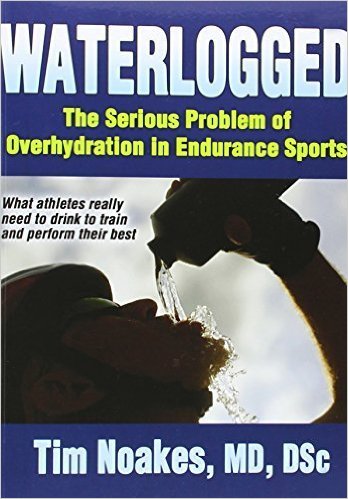
Misperceptions about dehydration have been driven in large part by marketing of sports drinks, according to Noakes, author of Waterlogged: The Serious Problem of Overhydration in Endurance Sports.
“Over the past 40 years humans have been misled … to believe that they need to drink to stay ‘ahead of thirst’ to be optimally hydrated,” he wrote. …
The most recent (1996) drinking guidelines of the American College of Sports Medicine (ACSM) propose that athletes should drink “as much as tolerable” during exercise.
Since some individuals can tolerate rates of free water ingestion that exceed their rates of free water loss during exercise, this advice has caused some to overdrink leading to water retention, weight gain and, in a few, death from exercise-associated hyponatraemic encephalopathy.
The new drinking guidelines of the International Olympic Committee (IOC), recently re-published in this Journal, continue to argue that athletes must drink enough to replace all their weight lost during exercise and to ingest sodium chloride since sodium is “the electrolyte most critical to performance and health”.
In this rebuttal to that Consensus Document, I argue that these new guidelines, like their predecessors, lack an adequate, scientifically proven evidence base. Nor have they been properly evaluated in appropriately controlled, randomized, prospective clinical trials.
Click PLAY or watch it on Facebook.
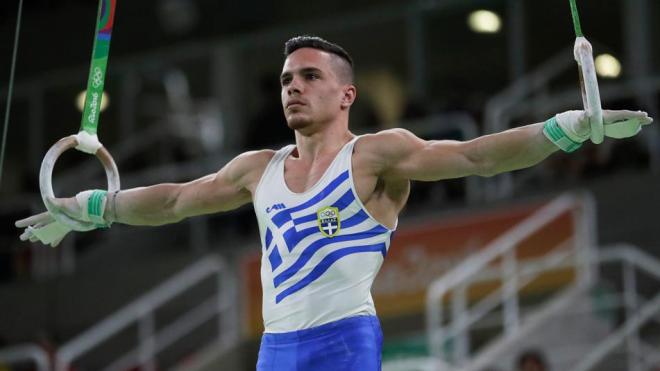
One reason Eleftherios Petrounias deservedly won the Rings gold medal in Rio is that he does not “cheat” his strength holds with false grip.
Opening the hand makes it even clearer to the judges that no false grip is used.
Gymnasts need both plyometric and non-plyometric leg training.
Click PLAY or watch a sample on Instagram.
Zari Goldmann:
Three of the four events rely on legs, but I was always worried about too much pounding and overuse injuries. So this summer we created two circuits – one leg circuit that involved impact, landing, jumping etc and one that didn’t involve those. That way I could be sure that those muscles were getting stronger without worrying about how many times kids were hitting the floor
Click PLAY or watch a tutorial on YouTube.
Working on routine endurance.
I also like these fast side-to-side stop / starts for knee and ankle injury prevention.
Click PLAY or watch it on Facebook.
Dr. Keith Russell, former Canadian Men’s Artistic Gymnastics National Coach and personal coach of two Olympians. Past President of the FIG Scientific Commission.
This session is mainly MAG and WAG.
Click PLAY or watch it on YouTube.
 Gymnastics Coaching.com