Click PLAY or watch it on YouTube.
history of Gymnastics
Click PLAY or watch it on YouTube.
tumbling, tramp, diving, acrobatics, circus, cheer, dance, martial arts, X sports … and more
Click PLAY or watch it on YouTube.
VERY difficult.
There are a few good examples here. Best I can recall for twisting form was Courtney McCool. Most GAGE gymnasts keep fairly good form on twisting.
Click PLAY or watch it on YouTube.
Click PLAY or watch it on YouTube.
“GymnaChef” by Betsy McNally Laouar and Chef Mess Laouar is way more than a cookbook for gymnasts. …
… over 50 recipes for:
Great-Start breakfasts, including Dark Chocolate Protein Pancakes
Energizing Mid-Morning Snacks like M’ Energy Bar
Nutrient-Rich Lunches like the GymnaBurger and Green Soup
Delicious Functional Dinners with, yes! Coconut Chicken Cordon Bleu
Vitamin-Dense and Decadent Desserts, like Berry Mouse
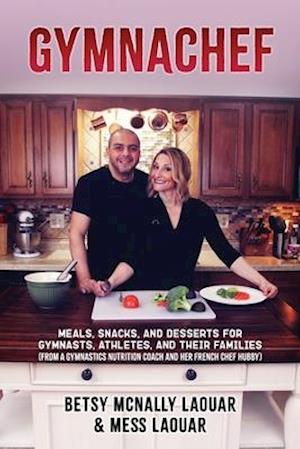
Betsy was a gymnast, coach and runs many workshops. She specializes in promoting balance, positive and healthy body image, non-restrictive and performance nutrition, and strength training for gymnasts.
She has another book called Binges & Balance Beams, a memoir of her childhood as a competitive gymnast and, later, a professional bodybuilder and trainer.
It shows how obsessive dieting, training, and body issues led to binge eating, relationship woes, and a life out of balance and out of control.
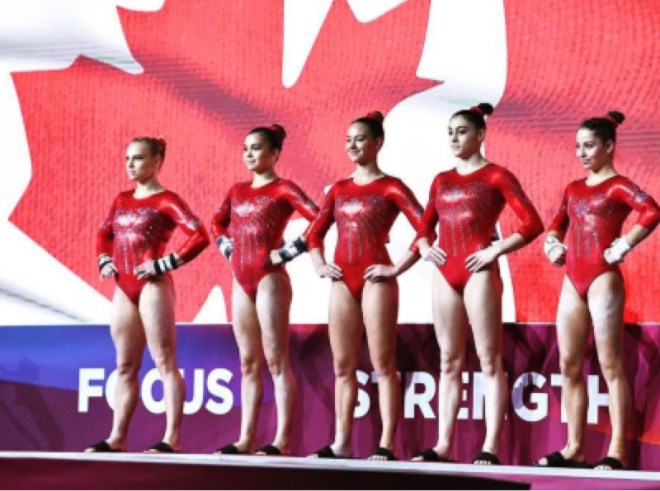
It’s been some time since I could say for sure who was responsible for the Canadian Women’s National Team.
Eddie van Hoof is Men’s Coach.
Time to make it official.
Reporting to the GymCan CEO and working in conjunction with the Program Manager – Women’s Artistic Gymnastics (WAG), the National Team Head Coach – WAG shall be responsible for leading and executing the vision for GymCan’s WAG National Team program …
Qualified candidates will have NCCP Level 4 certification/Advanced Coaching Diploma or similar advanced coaching education qualifications specialized in gymnastics …
Deadline Friday November 20th, 2020.
Excellent!
USA Gymnastics announced multiple ways to hold competitive gymnastics events for the 2020-21 season, including virtual event sanctions and a free platform for hosting virtual meets …
… on a number of different platforms, including Zoom, Skype and Google Meet, ensuring that even more athletes are able to compete despite complications created by the ongoing coronavirus pandemic.
For the 2020-21 season, USA Gymnastics will also be providing members free access to the Flyp10 virtual meet platform, which is integrated with USA Gymnastics’ Meet Reservation system. Using Flyp10, participants will be able to upload HD-quality recordings of their real-time performances for immediate scoring by judges and keep track of rolling scores and placement throughout the meet. …
To help meet directors facilitate virtual competitions, USA Gymnastics has created Virtual Playbooks for all 5 disciplines.
Click PLAY or watch it on Facebook.
Click PLAY or watch it on YouTube.
Jam Hops is an award winner for Small Business. Despite COVID-19.
Click PLAY or watch it on YouTube.
 Gymnastics Coaching.com