I have no idea what these amazing athletes are doing.
How do they even keep track of so many multiple rotations?
And who wants to land backwards at full speed?
Click PLAY or watch it on YouTube.

tumbling, tramp, diving, acrobatics, circus, cheer, dance, martial arts, X sports … and more
I have no idea what these amazing athletes are doing.
How do they even keep track of so many multiple rotations?
And who wants to land backwards at full speed?
Click PLAY or watch it on YouTube.
If we had computers evaluating SAFEST landings on Vault, you should get deducted if not opening as completely as Sierra.
Click PLAY or watch it on Twitter.
The Olympic Movement is united in its mission to contribute to peace through sport …
At the same time, the Olympic Movement is united in its sense of fairness not to punish athletes for the decisions of their government …
The current war in Ukraine, however, puts the Olympic Movement in a dilemma. While athletes from Russia and Belarus would be able to continue to participate in sports events, many athletes from Ukraine are prevented from doing so because of the attack on their country. …
… with a heavy heart, issued the following resolution:
… recommends that International Sports Federations and sports event organisers not invite or allow the participation of Russian and Belarusian athletes and officials in international competitions. …
… decision to withdraw the Olympic Order from all persons who currently have an important function in the government of the Russian Federation or other government-related high-ranking position, including the following:
… The IOC admires and supports in particular the calls for peace by Russian athletes.
IOC EB recommends no participation of Russian and Belarusian athletes and officials

#progress
… Not too long ago I could not be openly gay in the military without facing consequences.
You could call that societal progress, but I would call it ridding the world of ignorance. …
Gay, Black gymnast finds he can be himself at West Point
Luba is our best source for what’s happening with some of the best gymnasts in the world.
Read her February 20, 2022 update.
While it’s a shame Russian athletes must suffer, IOC and FIG are right to take action against de facto dictators invading other nations.
President Morinari Watanabe:
“Our thoughts go to the members of the Gymnastics community in Ukraine. Sport is friendship and solidarity. We must show solidarity with the members of our family who are in despair and offer them a helping hand to ensure their future.”
The FIG will ask the FIG Foundation for Solidarity to allocate special aid to support Ukrainian athletes and other members of the Ukrainian Gymnastics Federation hit by the war.
FIG
IOC Executive Board urges all International Federations to relocate or cancel their sports events currently planned in Russia or Belarus.
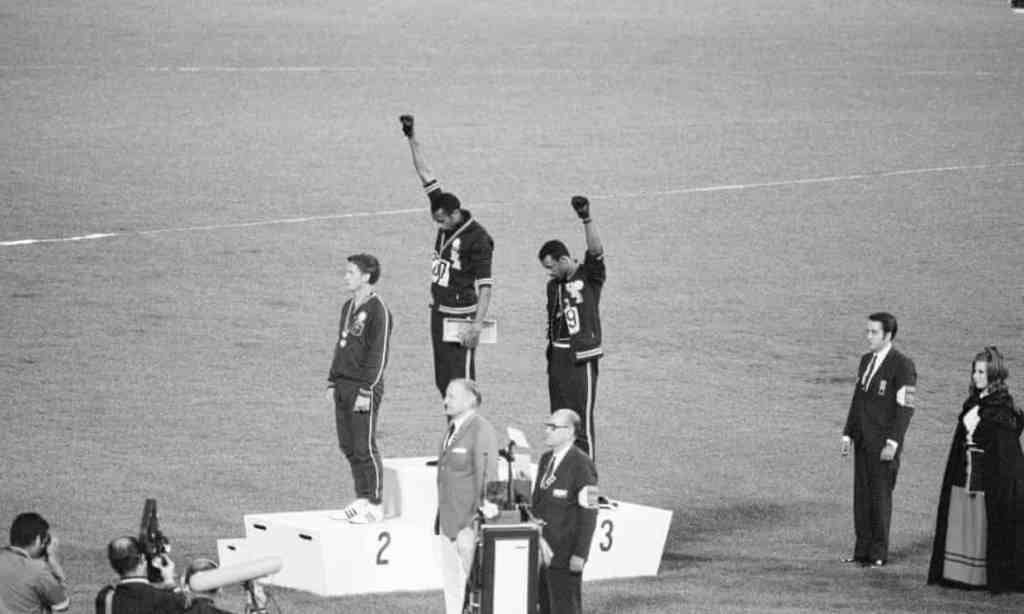
The 4,500 athletes expected in Birmingham this summer will also be permitted to wear clothing, armbands and badges on the podium to support social justice causes under radical new “guiding principles” for athlete advocacy due to be announced on Tuesday. …
Guardian
I’d call this radical — but progress. Homosexuality is still illegal in 36 of the 72 nations that will compete in Birmingham, for example. That should change sooner than later.