Computer graphics version.
Click PLAY or watch it on YouTube.

tumbling, tramp, diving, acrobatics, circus, cheer, dance, martial arts, X sports … and more
Elena is the 1980 Olympic Champion. Coached Kristina Vaculik to the 2012 Olympics. And judged Floor in Rio.
And she was recently elected to FIG WTC.
related – Amanda Turner – Padurariu, Canada Dominate Olympic Hopes Cup
Lauren Hopkins posted the best summary I’ve read.
… 48 women will qualify on teams, at least 34 women and as many as 46 women will qualify as individual all-arounders, and at least 4 women and as many as 16 women will qualify as event specialists. …
ASSuming the new FIG Executive and Technical Committees don’t tinker with the qualification system, a real possibility.
Despite the complexity, I much prefer this to what we had for Rio.

Lauren Hopkins:
… it seems like so many who competed this year have the goal of sticking around. The only retirements I know of for sure so far this year have been Lauren Mitchell, Houry Gebeshian, Julie Croket, Marine Brevet, Youna Dufournet, Ruby Harrold (though she’s doing NCAA), Marta Pihan-Kulesza, Yu Minboe, Kirsten Beckett, Marcela Torres, Nicole Hitz, and then for the Americans, Amelia Hundley, Brenna Dowell, Maggie Nichols, Rachel Gowey, Alyssa Baumann, and Madison Desch, all of whom will be competing in college.
I’ve also heard Jessica López MIGHT retire but she hasn’t officially announced anything yet and is doing the Swiss Cup in a couple of weeks. The same can be said for a few others, like Vanessa Ferrari for example (she said the Olympics would be her last but now she’s not so sure)…but the women listed above are the only ones I know of who for sure announced retirements. …
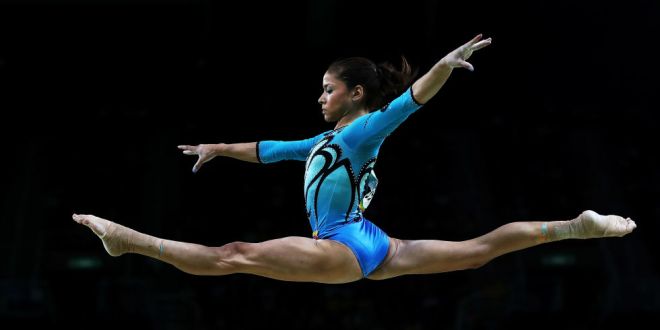
It does seem that fewer female (and male) gymnasts have announced retirements after Rio than any other Olympics. A great trend for our sport.
The 2019 European Games is scheduled to be the second edition of the European Games, a multi-sport event for European athletes. It will be held in June 2019 in Minsk, Belarus, having previously been awarded first to the Netherlands and then to Russia.
The Netherlands withdrew citing costs and lack of support, while the next hosting agreement with Russia was provisional on the basis of it addressing concerns raised by an independent WADA investigation into doping in Russia. …
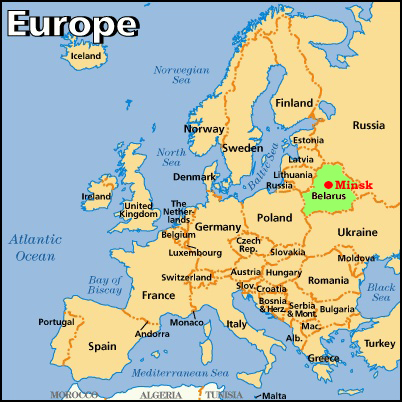
Controlling spending is a key concern for Belarus, which is in recession and has asked the EOC and International Olympic Committee to provide financial support for the games, though it was not clear Friday whether that would be provided. …

Already looking forward to 2020.
… central Tokyo on Oct. 7 to give superstar treatment to the Japanese athletes who competed in the Rio de Janeiro Olympics and Paralympics. …


Lauren Hopkins believes this is the oldest footage online of any female doing Gymnastics. Leave a comment if you know of anything older.
Click PLAY or watch it on YouTube.
Click PLAY or watch it on Instagram.

